

Beginner’s Guide to Setting Up a High-Tech Greenhouse
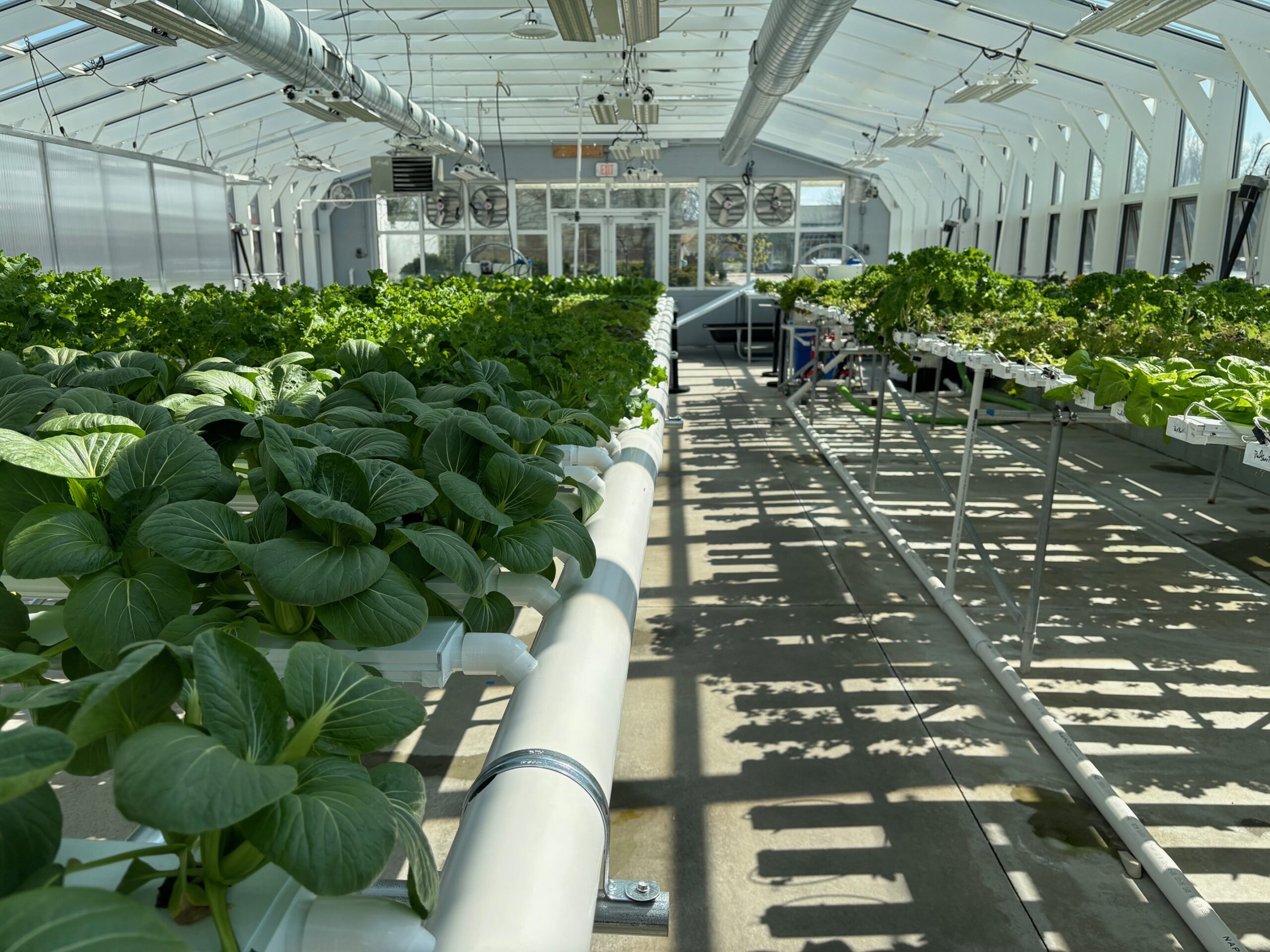
The future of gardening is here with high-tech greenhouses. These advanced structures allow gardeners to create optimal growing conditions year-round, regardless of external weather. By utilizing cutting-edge technology, high-tech greenhouses extend growing seasons, enhance yield quality, and promote sustainable practices.
High-tech greenhouses offer numerous benefits that traditional gardening methods cannot match. With precise climate control, automated irrigation, and energy-efficient systems, these greenhouses provide a stable environment for plants to thrive. This maximizes productivity and reduces water and energy usage, contributing to a more sustainable and eco-friendly gardening approach.
Choosing the Right Location
Selecting the ideal location for your high-tech greenhouse is crucial for optimizing plant growth and maximizing efficiency. A site that receives ample sunlight throughout the day is essential, as it ensures plants get the necessary light for photosynthesis. Additionally, easy accessibility simplifies maintenance and monitoring, making it more convenient to manage your greenhouse.
Environmental factors such as local climate, wind exposure, and potential hazards must be considered. A sheltered spot can protect the greenhouse from strong winds and reduce energy costs for heating and cooling. Evaluating soil quality is essential if you plan to use ground planting, as good soil provides a strong foundation for healthy plant development.
Proper site selection directly impacts the effectiveness of your greenhouse’s technology. You can fully leverage the benefits of climate control systems, automated irrigation, and other high-tech features by choosing a location with optimal sunlight and minimal environmental risks. This strategic placement will help ensure your greenhouse operates efficiently, and your plants thrive.
Greenhouse Structure and Materials
Choosing the proper structure and materials for your high-tech greenhouse is a foundational step that impacts durability, efficiency, and functionality. The two primary types of greenhouse structures are freestanding and attached. Freestanding greenhouses offer more flexibility in placement and design, while attached greenhouses, which connect to an existing building, can share utilities and provide easier access.
The materials you select for your greenhouse also play a significant role in its performance. The most common options are glass, polycarbonate, and polyethylene. Glass provides excellent light transmission and durability but can be expensive and heavy. Polycarbonate is a popular choice due to its strength, lighter weight, and good insulation properties. Polyethylene is cost-effective and easy to install but typically requires more frequent replacement. When choosing materials, consider investing in eco-friendly products from renowned brands, which can enhance sustainability and reduce your greenhouse’s environmental impact.
Size considerations are crucial when planning your greenhouse. Your growing needs and available space should determine the size. A larger greenhouse allows for more diverse plantings and advanced systems but requires a bigger initial investment and higher maintenance. Careful planning ensures you select a structure and materials that meet your specific requirements and provide a conducive environment for plant growth.
Climate Control Systems
Effective climate control systems are essential for maintaining the optimal growing environment in your high-tech greenhouse. Heating and cooling options vary, including electric heaters, gas heaters, and evaporative coolers. These systems help maintain stable temperatures, which is crucial for plant health and growth. Ventilation systems, such as fans and vents, are equally important to ensure proper air circulation and prevent overheating.
Humidity control is another critical aspect of greenhouse climate management. Maintaining the right humidity levels prevents plant diseases and promotes healthy growth. Tools such as humidifiers, dehumidifiers, and hygrometers can help regulate and monitor humidity within the greenhouse.
Lighting systems, particularly LED grow lights, are beneficial for supplementing natural light, especially during shorter days or in regions with limited sunlight. LED lights are energy-efficient, provide the necessary light spectrum for photosynthesis, and can be easily adjusted to meet the specific needs of different plants. Incorporating these climate control systems effectively ensures your plants thrive in a stable and nurturing environment.
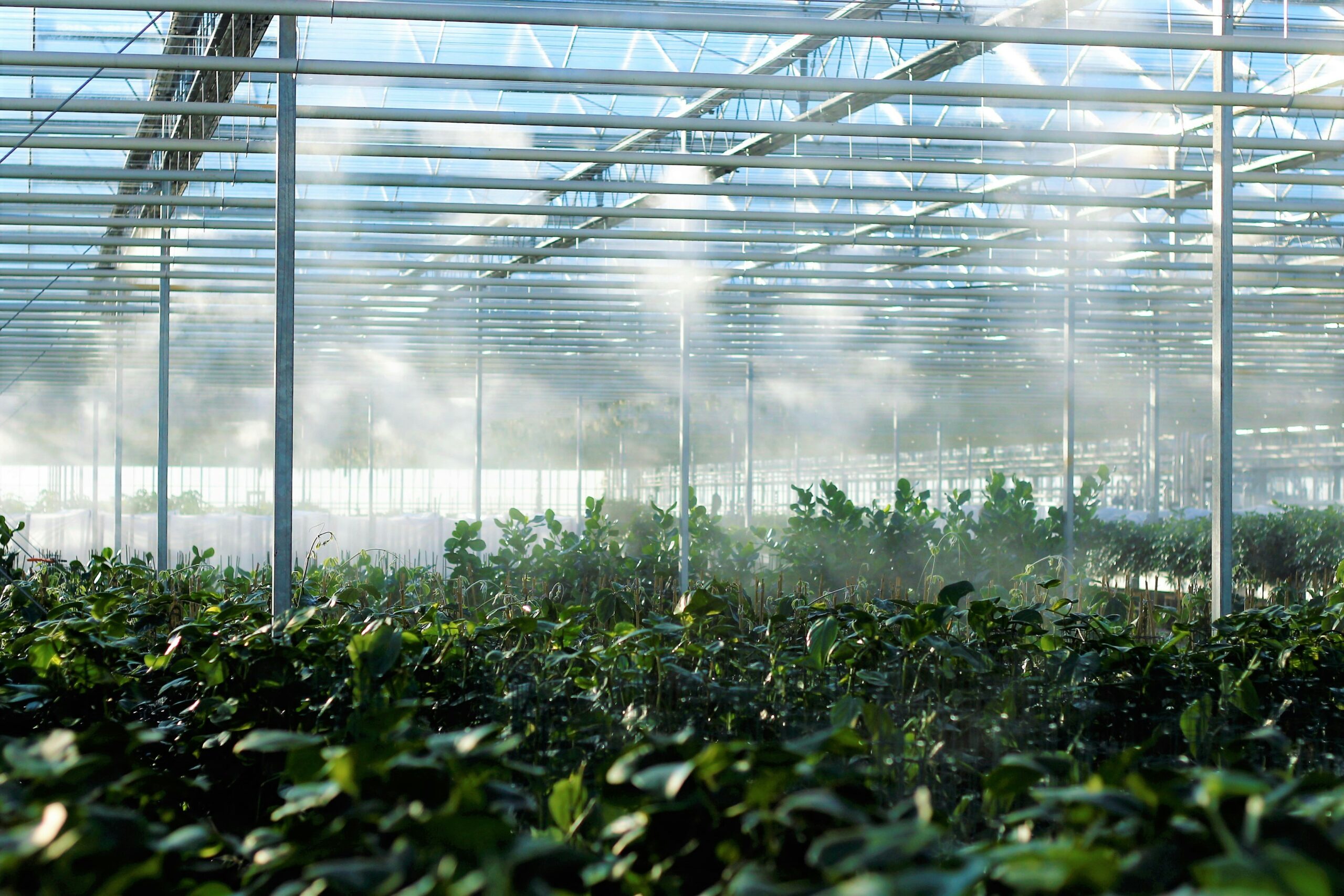
Photo by Katrien Van Crombrugghe from Unsplash
Automation and Smart Technology
Incorporating automation and smart technology into your high-tech greenhouse significantly enhances its efficiency and ease of management. Automated irrigation systems, such as drip irrigation and misting systems, ensure plants receive consistent and precise amounts of water, reducing waste and promoting healthy growth. These systems can be scheduled and adjusted based on the specific needs of your plants.
Environmental sensors are crucial in monitoring key factors like temperature, humidity, soil moisture, and light levels. These sensors provide real-time data, allowing you to make informed decisions and adjustments. Smart controllers can integrate with these sensors to automate climate control systems, adjusting heating, cooling, lighting, and ventilation based on the current conditions.
Using smart technology not only optimizes the growing environment but also saves time and reduces manual labor. With the ability to monitor and control your greenhouse remotely via smartphone apps or computer software, you can ensure your plants thrive even when not on site. This advanced level of control helps maximize productivity and efficiency in your high-tech greenhouse.
Hydroponics and Advanced Growing Systems
Implementing hydroponics and other advanced growing systems can significantly boost the productivity and efficiency of your high-tech greenhouse. Hydroponic systems, which allow plants to grow without soil using nutrient-rich water solutions, offer numerous benefits, including faster growth rates and higher yields. Common hydroponic methods include Nutrient Film Technique (NFT), Deep Water Culture (DWC), and Ebb and Flow systems, each with its own setup and maintenance requirements.
For those looking to push the boundaries of traditional gardening, aeroponics and aquaponics present even more advanced options. Aeroponics involves growing plants with their roots suspended in the air and misted with nutrient solutions, leading to exceptional growth rates and efficient use of resources. Aquaponics combines hydroponics with aquaculture, where fish and plants grow together in a symbiotic environment. The fish provide natural nutrients for the plants, and the plants help filter and clean the water for the fish.
Setting up these advanced systems requires careful planning and knowledge of nutrient solutions, pH levels, and maintenance routines. Investing in quality equipment and components from trusted suppliers ensures reliability and long-term success. By integrating hydroponics, aeroponics, or aquaponics into your high-tech greenhouse, you can achieve superior plant growth and maximize your greenhouse’s potential.
Wrapping Up
Setting up a high-tech greenhouse transforms gardening into a modern, efficient, and sustainable practice. By leveraging advanced systems and smart technology, you can create an optimal environment for plants to thrive year-round. Whether you’re a hobbyist or a commercial grower, investing in a high-tech greenhouse offers long-term benefits and satisfaction. Embrace this innovative approach and enjoy the rewards of superior plant growth and productivity.